You want that easy, in-town lifestyle where you can stroll to coffee, dinner, and weekend events without planning a drive. At the same time, you do not want surprises around parking, HOA rules, or rising fees. If you are weighing a move near Historic Downtown Leesburg, you are smart to look closely at both walkability and HOA trade-offs. This guide breaks down what to expect, how to compare options, and the key questions to ask so you can choose with confidence. Let’s dive in.
What walkable means in Leesburg
Walkability is more than distance. It is about whether daily needs are within a 5 to 10 minute walk and whether the route feels comfortable and safe.
- Look for nearby groceries, pharmacy, bank, coffee, healthcare, and public green space.
- Check sidewalk continuity, crosswalks, lighting, and how busy the streets feel at different times.
- Test the route on a weekday morning, a weekday evening, and a weekend midday to see real patterns.
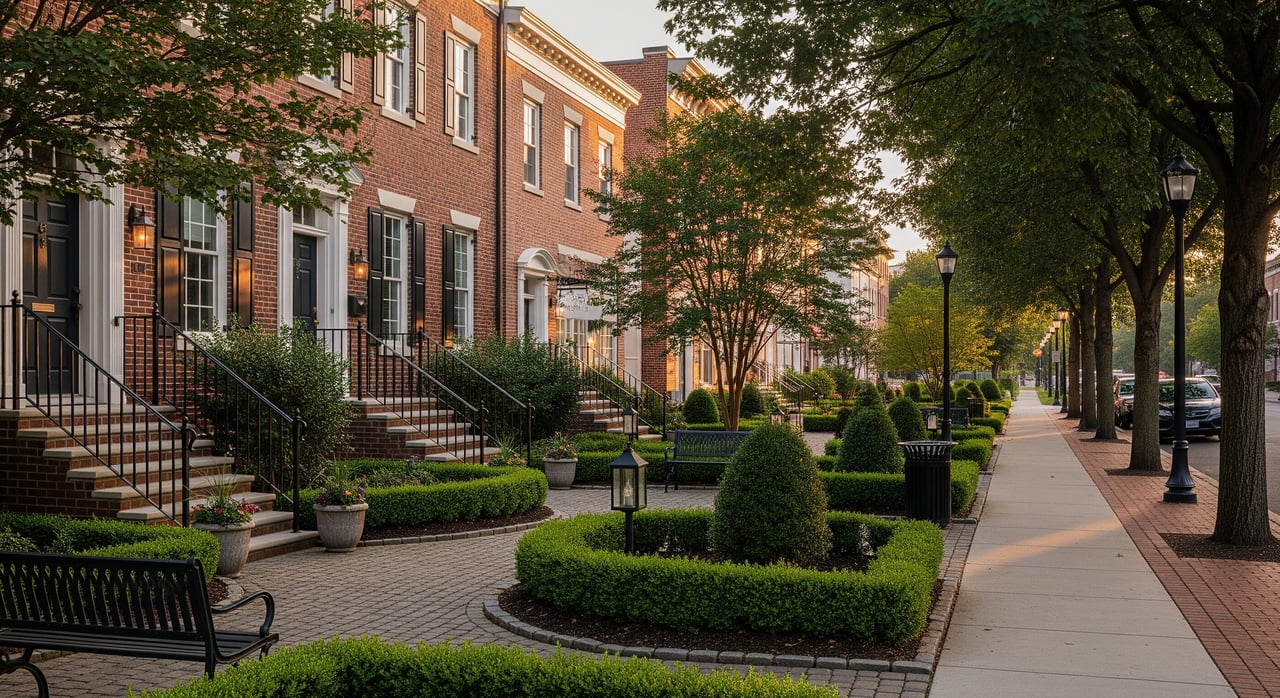
Homes and condos within a few blocks of King Street often offer the strongest day-to-day walkability. Older single-family homes within about 0.5 to 1.5 miles may offer small yards and a short bike ride or quick drive to downtown. Planned communities on the edge of town often provide larger homes and community paths but usually require driving for downtown access.
Benefits of downtown walkability
Living near the historic core can simplify your routine and boost your lifestyle.
- Fewer car trips for everyday errands and social plans.
- More incidental exercise, plus easy access to events like farmers markets and festivals.
- Potentially stronger rental demand where allowed, since proximity to restaurants and services attracts tenants.
If you value convenience and community events, walkable living can deliver day after day.
The trade-offs to plan for
Urban-style convenience often comes with some compromises.
- You may have less private outdoor space, such as a balcony instead of a yard.
- Popular events can bring more noise, foot traffic, and occasional congestion.
- Parking and storage can be tighter, which matters if you own multiple vehicles or larger hobby gear.
Knowing these limits upfront helps you choose a home and an association that fit your daily life.
Parking realities near the historic core
Parking options vary by building and block, and demand changes with the calendar.
- On-street spaces are convenient but limited, especially during events and business hours.
- Municipal lots and garages can help, but you should confirm locations, hours, and any rules.
- Condo and townhome communities may offer deeded garage spaces, assigned surface spaces, or permit systems. Guest parking is often limited in smaller projects.
Key parking questions to ask before you write an offer:
- Is there a deeded or assigned space? Is it covered or open?
- How does guest parking work and are permits required?
- Are additional permits available for purchase and what are any overnight rules?
- How are parking rules enforced and what are the penalties?
- Do nearby streets have time limits, meters, or residential permits that affect daily life?
HOA and condo fees 101
Associations shape your monthly costs, your maintenance burden, and your flexibility. Understanding how they work is essential.
What dues typically include
- Exterior building maintenance and common area repairs for condos.
- Landscaping, snow removal, trash and recycling, and common area utilities.
- Some buildings include security features, elevators, or amenities like a gym or pool.
- Most associations carry a master insurance policy, while owners usually maintain interior and personal property coverage.
Why fees differ
- Building age, amenity level, and how much exterior work the association covers drive costs.
- Higher service levels and amenities tend to increase fees.
- Older buildings or those with deferred maintenance can face higher fees or special assessments.
Risks to watch in HOA documents
- Reserves and reserve studies: you want current studies and solid funding plans.
- Any recent or pending special assessments and litigation history.
- Annual budget trends and rental restrictions that may affect financing and resale.
- Insurance coverage limits and deductibles so you can set your own policy correctly.
- Board stability and enforcement culture, which affect daily life and predictability.
How to compare your options
Scenario: downsizer with one car
If you prefer low maintenance and want to walk to dinner and events, a condo or townhome a few blocks from the square can be a great fit. Look for a community with assigned parking and strong reserves. Make sure the HOA covers the exterior tasks you no longer want to handle and that storage meets your needs.
Scenario: professional household with two cars
If you need predictable parking and extra storage, a small single-family home or townhome within about a mile might offer a good balance. You can still enjoy quick access to downtown while gaining a private garage or driveway. Confirm whether HOA rules restrict commercial or recreational vehicles if that applies to you.
A simple decision framework
- Quantify your monthly costs: mortgage, HOA dues, taxes, insurance, and any parking fees.
- Weigh lifestyle fit: is walkability improving your daily life enough to offset fees and less private space?
- Check long-term flexibility: rental rules, owner-occupancy ratios, and how assessments could affect cash flow.
- Match maintenance to your goals: if you want fewer chores, confirm the HOA covers the tasks you want to delegate.
Buyer checklist for downtown-adjacent homes
- Walkability: list exact services within a 10 to 15 minute walk and test routes at different times for lighting and crossings.
- Parking: confirm included spaces, guest policies, fees, and municipal rules that affect you during events.
- HOA and condo documents: CC&Rs and bylaws, rules and regulations, latest budget and financial statements, reserve study, insurance certificate, meeting minutes for the last 12 to 24 months, and any resale certificate or estoppel letter.
- Unit specifics: interior insurance needs, storage allocation, ages of major systems, and any repair history.
- Noise and event calendar: understand how often events occur and how they affect traffic and parking.
Seller tips for marketing downtown living
- Lead with convenience: highlight walk-to dining, shopping, and community events.
- Be clear about parking: disclose number and type of spaces, guest policies, and any permits.
- Share the HOA picture: current dues, what they cover, recent assessments, and any major capital projects.
- Provide practical info: trash and recycling schedule, snow removal plan, and quiet hours if applicable.
When to bring in experts
Consider a deeper review if you are buying into a mixed-use building, if an association has pending litigation, or if reserve funding appears low. This is also true if you rely on specific rental plans, since rental caps and owner-occupancy levels can affect financing and resale. An attorney or condo specialist can help you interpret complex documents so you can protect your budget and timeline.
Next steps
If you are drawn to the energy of Historic Downtown Leesburg, you have great options across condos, townhomes, and nearby single-family homes. The best fit comes from a clear-eyed look at walkability, parking, and HOA trade-offs, matched to how you actually live. Start by walking the routes, gathering the HOA documents, and confirming parking facts before you make an offer.
If you want help narrowing choices and negotiating with confidence, reach out to 15 West Homes. Our team knows the local associations, streets, and property types that deliver the lifestyle you want with fewer surprises.
FAQs
What should I look for to confirm true walkability near Downtown Leesburg?
- Verify daily needs within a 5 to 10 minute walk, check sidewalk continuity and crossings, and test the routes at multiple times of day for comfort and activity level.
How does parking typically work close to the historic district?
- Expect a mix of on-street spaces, municipal lots or garages, and community-assigned or permit parking; event days can reduce availability, so confirm your unit’s assigned space and guest options.
What do HOA or condo dues usually cover in downtown-adjacent communities?
- Common services include exterior maintenance for condos, landscaping, snow removal, trash and recycling, common utilities, and sometimes amenities; master insurance is typical, with owners carrying interior coverage.
How can I judge an HOA’s financial health before buying?
- Review the reserve study and funding level, budget and financials, any special assessments or litigation, meeting minutes, insurance limits, and the rules and rental restrictions that affect financing and resale.
Are walkable homes near Downtown Leesburg good for rental potential?
- Proximity to dining, services, and events can support rental demand where allowed, but check rental restrictions and owner-occupancy ratios since these rules affect both financing and long-term flexibility.