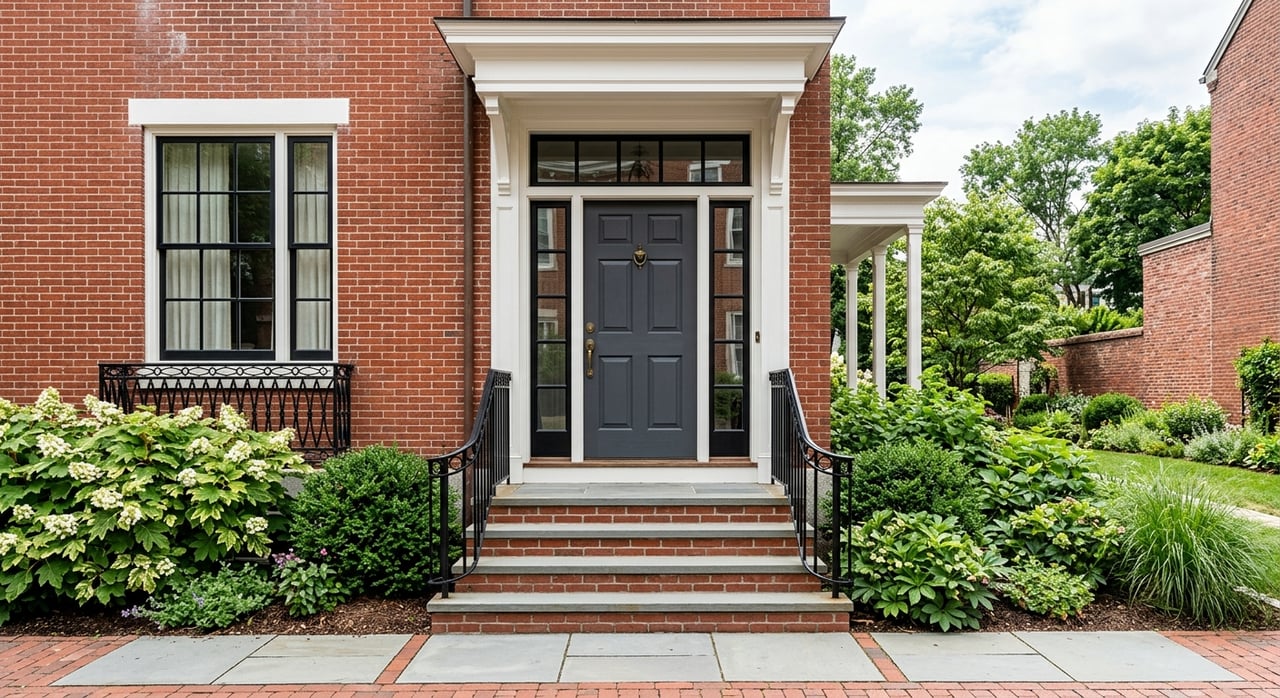
Selling A Historic Home In Leesburg: Preparation Guide
April 2, 2026
April 2, 2026
Thinking about selling a historic home in Leesburg? It can be exciting, but it also comes with a different set of questions than a typical home sale. You may be wondering what repairs you can make, what buyers will ask about, and how to present your home’s history without creating confusion. This guide walks you through the practical steps that matter most, so you can prepare with confidence and avoid surprises before you list. Let’s dive in.
If your home is in or near downtown Leesburg, your first step is to confirm whether it falls within the town’s preservation overlay districts. The Old & Historic District (H-1) is the most restrictive local overlay in the downtown area, and the Gateway District has its own design review standards.
This matters because district location can affect what exterior work you can complete before listing. According to the town, these overlays do not change the underlying zoning of your property, but they can affect the approval process for exterior changes.
Before you schedule exterior updates, check whether the work requires a Certificate of Appropriateness. Leesburg states that all exterior changes in the H-1 district require a COA before work begins, including in-kind material replacement.
That said, not every project follows the same review path. The town notes that some smaller projects may be approved administratively, while larger changes often go before the Board of Architectural Review.
Leesburg says some smaller exterior projects may qualify for administrative approval, including:
Even with smaller projects, it is smart to confirm requirements with the town before starting work.
Larger or more visible changes usually require deeper review. The town specifically identifies the following as projects that commonly go to the Board of Architectural Review:
If you are preparing to sell in the next 6 to 18 months, this is an important point. Starting unapproved exterior work can complicate your timeline and create questions for buyers later.
Historic homes often win buyers over with character, but condition still drives confidence. Before listing, it helps to think like a buyer and like a home inspector.
Fannie Mae notes that common inspection areas include the roof, foundation, walls and ceilings, windows, electrical, HVAC, structural components, attic and insulation, plumbing, and basement. In an older home, visible maintenance issues in these areas can shape buyer perception quickly.
A regular home inspection is useful, but it does not cover everything. Fannie Mae’s inspection guidance says home inspectors generally do not determine the presence of pests, termites, asbestos, lead-based paint, mold, or similar environmental hazards.
That is why pre-listing preparation matters so much for older homes. If you already know a buyer may ask tougher questions, gathering information early can help you respond clearly and keep the sale moving.
If your Leesburg home was built before 1978, lead-based paint rules may apply. This is one of the most important disclosure issues for sellers of older homes.
The EPA says that 87% of homes built before 1940 and 24% of homes built between 1960 and 1978 contain some lead-based paint. Federal law generally requires sellers of most pre-1978 housing to disclose any known lead-based paint or hazards and provide the EPA/HUD lead pamphlet before the sale becomes enforceable.
If you are unsure whether lead is present, the EPA recommends using a certified lead inspector or risk assessor. If any work will disturb older paint before listing, lead-safe renovation practices also matter.
When you sell a historic home, paperwork can carry almost as much weight as presentation. Buyers want to understand what is original, what has changed, and whether past work was done with the right approvals.
A strong pre-listing file may include:
Leesburg has been updating its architectural survey of the Old & Historic District, and the town says that work is intended to give property owners a more accurate picture of their building’s architectural history. That can be helpful if you want to tell your home’s story in a way that is accurate and supportable.
Historic homes can be harder to appraise, not because they lack value, but because comparable sales may be limited. That is especially true when your home has distinctive age, architecture, or updates that do not line up neatly with recent nearby sales.
According to Fannie Mae’s comparable sales guidance, appraisers may need to use the best available sales even if they are not perfect matches, and older sales can be acceptable if the appraiser explains why they were used. Fannie Mae also says the home must be rated on its own merits, with visible adverse conditions, needed repairs, and deferred maintenance identified in the report.
You cannot control the appraisal, but you can make the property easier to understand. Sellers are in a stronger position when they can provide:
If a buyer challenges value, Fannie Mae also requires lenders to maintain a reconsideration-of-value process. In practical terms, that means documentation and context can matter as much as charm.
One of the best parts of selling a historic home is sharing what makes it special. Still, the strongest story is usually the simplest and most factual one.
Try to organize your home’s story around a few clear points:
This approach helps buyers appreciate the home without relying on guesses or overstated claims. In Leesburg, that matters because local preservation review focuses on exterior character, and buyers are expected to do their own review of local rules.
When sellers get ready for market, it is tempting to rush into cosmetic work. With a historic home, that can backfire if the project needs review or if the materials raise questions later.
Before listing, try to avoid these common mistakes:
A cleaner strategy is to verify district rules, improve condition where appropriate, organize records, and build a listing narrative around documented facts.
If you are preparing to sell a historic home in Leesburg, your plan does not need to be complicated. It does need to be organized.
A solid preparation plan usually looks like this:
With the right preparation, you can protect your timeline, reduce buyer uncertainty, and present your home in a way that respects both its history and today’s market.
Selling a historic home often takes more planning, but it also creates a real opportunity to stand out. If you want help building a thoughtful listing strategy for your Leesburg property, connect with 15 West Homes for local guidance and a polished, well-prepared approach.
October 22, 2026
October 15, 2026
October 8, 2026
October 1, 2026
September 24, 2026

September 17, 2026
September 10, 2026
September 3, 2026
August 27, 2026
Explore our site for the latest real estate news, market trends, community updates, and exclusive listings. Whether you're buying or selling, our expert team is here to guide you every step of the way. Join our community and make your real estate journey a success.