Buying A Luxury Estate In Great Falls: Key Considerations
May 14, 2026
May 14, 2026
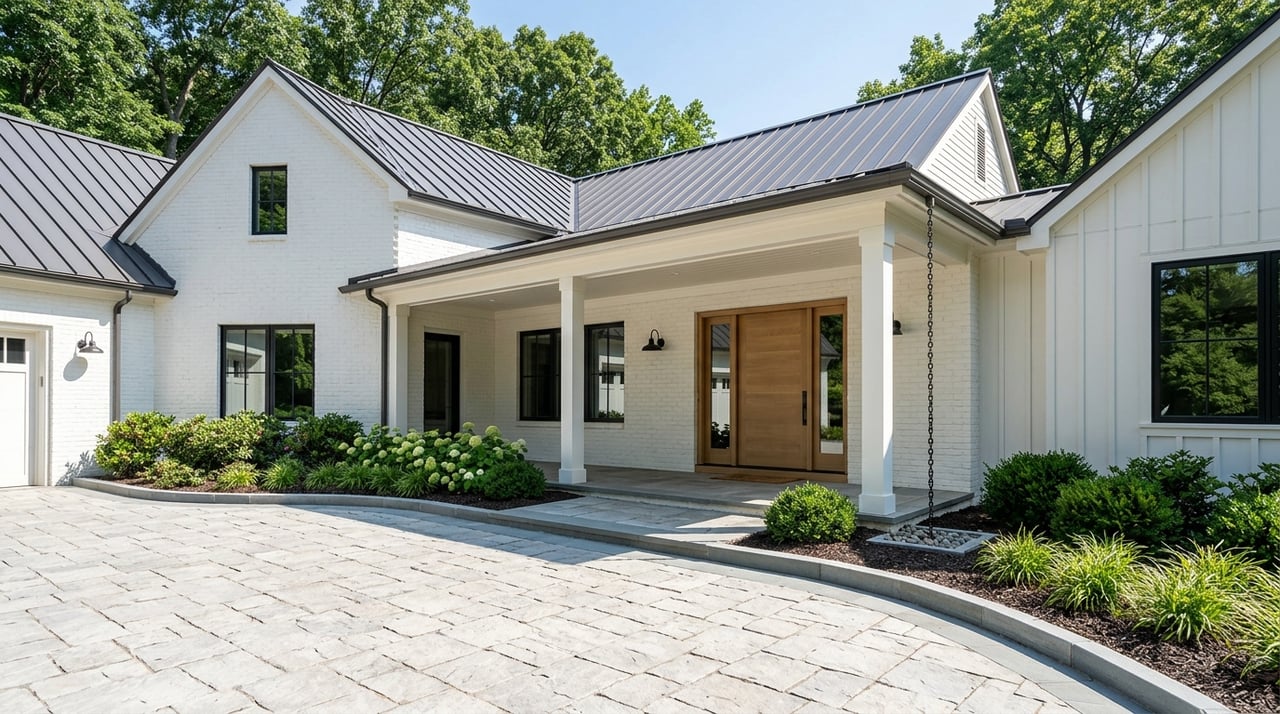
Looking for a luxury estate in Great Falls is exciting, but it also comes with a different set of questions than a typical home search. In a market known for large lots, privacy, and a more rural setting, what you can actually do with a property matters just as much as how impressive it looks from the driveway. If you want to buy with confidence, it helps to understand the land, the rules, and the long-term resale factors before you make an offer. Let’s dive in.
Great Falls stands out because of its land-use pattern and setting. Fairfax County describes this area as a very low-density residential environment shaped by parkland, undeveloped land, estates, farms, and large-lot subdivisions. That planning context helps explain why so many buyers are drawn here for privacy, mature trees, and a quieter estate feel.
For many luxury buyers, the appeal is less about walkable urban convenience and more about space and site character. In Great Falls, acreage, buffers from neighboring homes, and a low-intensity setting often drive value. That can be a major advantage if your goal is a private retreat with room to breathe.
Before you fall in love with a lot size on paper, take a close look at zoning. Fairfax County says parcel-specific zoning applies, and residential districts such as R-E and R-1 are intended for single-family detached homes on large lots. That supports the estate character many buyers want, but it does not mean every parcel offers the same flexibility.
A property's zoning can affect what you may be able to build, expand, or change over time. If you are thinking about a guest structure, major addition, or future reconfiguration of the site, verify the exact zoning district early. This step can help you avoid assumptions that do not hold up once you review county records.
Fairfax County's planning guidance for the riverfront sector supports five-acre and two-acre residential density to preserve the area's rural character. The county also discourages cluster subdivision in favor of two-acre-or-larger non-cluster lots in this context. For buyers, that reinforces why Great Falls often feels more spacious and protected than many other luxury markets.
It also means estate value is often tied to how well a property fits that low-density character. A site that offers usable land, strong privacy, and a setting consistent with the county's planning vision may hold broader appeal over time.
One of the biggest mistakes luxury buyers can make is assuming that a large lot is fully buildable. In Great Falls, site constraints can materially reduce the usable portion of a property. That is especially important if you plan to add square footage, build outdoor amenities, or make major landscape changes.
Properties near streams, tributaries, or the Potomac may fall within Fairfax County's Chesapeake Bay Preservation Ordinance. The county says Resource Protection Areas include environmentally sensitive corridors, major floodplain land, and land within 100 feet of certain water features. In general, development, land disturbance, or vegetation removal in an RPA is not allowed without prior approval.
If a property includes wooded areas, drainage features, or water adjacency, your due diligence should go beyond a simple lot size number. Review the site with these items in mind:
This review can help you understand the true buildable envelope. In luxury estate purchases, that is often one of the most important value questions in the entire transaction.
Many estate buyers want to personalize a home after closing. That may include expanding outdoor living space, reworking landscaping, or adding structural features. In Great Falls, those plans should be reviewed through a county lens before you treat them as simple upgrades.
Fairfax County says land disturbance of 2,500 square feet or more may require a land disturbance permit and grading or conservation plan approval. A larger common plan disturbing one acre or more may also trigger additional requirements. Structures such as decks or docks may require building permits as well.
If your vision includes a major transformation, bring that conversation forward early. And if your goal is to change density or use, Fairfax County says rezoning is a public process that only the Board of Supervisors can approve. That is not something you want to discover after closing.
Not every Great Falls luxury property relies entirely on public utility infrastructure. Fairfax County says most homes and businesses are connected to public sewer, but about 21,000 properties in the county use onsite sewage systems. In estate areas, buyers should be prepared for the possibility that a home has private well or septic components that need more specialized due diligence.
These systems are not automatically a problem, but they do require a more informed review. They should be treated as important assets with their own maintenance history, permit trail, and capacity limits.
Fairfax County requires septic tanks to be pumped at least once every five years. For alternative systems, the county requires annual inspections and sampling every five years. That maintenance history can tell you a lot about how the system has been cared for.
Virginia health guidance recommends that buyers obtain septic permits, inspection reports, operation permits, as-builts, maintenance records, and deed documents showing any waivers or easements. It also recommends inspection as soon as possible, ideally several weeks before closing, because major deficiencies can delay the process if design, permit, or repair work is needed.
If you are buying an estate with plans to expand, septic capacity becomes even more important. Virginia guidance notes that residential septic capacity is tied to design flow and bedroom count. In practical terms, adding bedrooms may require system modifications or even a new system.
That means your dream renovation may depend on infrastructure you cannot see during a showing. If expansion is part of your plan, confirm the existing system can support it before you move too far forward.
For homes with private wells, Fairfax County says homeowners are responsible for water safety. The county recommends annual sampling for bacteriological and chemical contaminants. Its well program also handles permits, sampling, and component inspections.
For a luxury buyer, this is part of responsible ownership and smart due diligence. Water quality, system condition, and documentation should all be reviewed before closing so you understand both current performance and future maintenance needs.
Great Falls offers a setting that many luxury buyers find hard to replicate. Great Falls Park is an 800-acre National Park Service site with 15 miles of hiking, biking, and horseback trails. Riverbend Park also adds another layer of scenic value, with Fairfax County describing it as a place of geology, wildlife, isolation, and beauty.
For many buyers, proximity to these outdoor assets is part of the lifestyle appeal. Access to trails, river views, and preserved land can enhance both day-to-day enjoyment and long-term marketability.
Lifestyle benefits can come with practical tradeoffs. The park notes that parking lines can be long on weekends and in nice weather, and public activity may be heavier during peak times. Depending on a home's exact location, that can influence traffic patterns, noise, and privacy.
This does not make park-adjacent properties less desirable. It simply means you should evaluate the surroundings at different times of day and different days of the week so the setting matches your expectations.
The county's planning documents describe the Potomac floodplain and adjacent uplands as particularly sensitive. If a property is near the river or low-lying areas, floodplain review should be part of your due diligence. This is especially true for estate properties where outdoor improvements, lower levels, and long-term carrying costs can be significant.
Buyers should check FEMA flood zones and budget for flood insurance if needed. FEMA identifies its Flood Map Service Center as the official source for flood hazard information, and standard homeowners insurance usually does not cover flood damage. In high-risk flood areas with government-backed mortgages, flood insurance is required.
A large lot can create a strong sense of privacy, but county rules are only part of the picture. Fairfax County says many subdivisions have covenants and deed restrictions that the county does not enforce. That means private rules may still affect what you can add or change on the property.
Before installing a fence, shed, or other site feature, review HOA documents or deed restrictions alongside county regulations. In a place like Great Falls, where privacy and site presentation play a major role in value, these details can have a real impact on both enjoyment and resale.
In an estate market like Great Falls, resale is often tied to the fundamentals of the site. Based on the county's planning context and local infrastructure considerations, buyers should pay close attention to the features that hold up over time. Not every luxury finish adds equal value if the land itself creates limitations.
The features that often matter most include:
When you evaluate a property through that lens, it becomes easier to separate true long-term value from cosmetic appeal alone.
In Great Falls, estate purchases often benefit from early expert review. Zoning questions, plat interpretation, well and septic records, floodplain analysis, and permit history can all affect both negotiations and future plans. Waiting until the end of the process can leave too little time to react.
A smart approach is to start that review before or shortly after a contract is signed. That gives you a better chance to identify issues that may influence pricing, repair requests, contingencies, or even your decision to move forward.
Buying a luxury estate in Great Falls can be deeply rewarding when the property fits your lifestyle and your long-term goals. The key is looking beyond the home itself and understanding how land use, infrastructure, and local regulations shape the ownership experience. If you want a local team that can help you think through complex properties with care and clarity, connect with 15 West Homes.
October 22, 2026
October 15, 2026
October 8, 2026
October 1, 2026
September 24, 2026

September 17, 2026
September 10, 2026
September 3, 2026
August 27, 2026
Explore our site for the latest real estate news, market trends, community updates, and exclusive listings. Whether you're buying or selling, our expert team is here to guide you every step of the way. Join our community and make your real estate journey a success.